I. Writing
Getting started
- Block a time slot every day. 1h.
- Write about your childhood
Short assignments
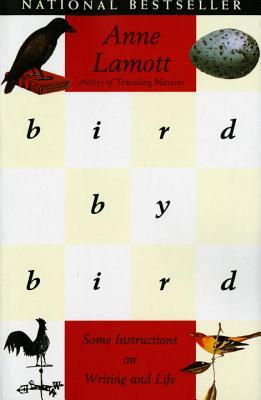
When things feel overwhelming: start with a short assignment that will get you going. “Bird by bird”.
Shitty first drafts
- The first draft is always going to be shitty. It’s okay because no one will ever see it.
- All writing goes through shitty first drafts.
Perfectionism
Fight it. It will block you from doing shitty first drafts.
School lunches
She uses school lunches as an example for writing about anything. Gets a text out of it that can be used or tossed. But it exists.
Polaroids
Writing a first draft is like a polaroid. You don’t know what it’s going to look like until it has finished developing. You don’t (can’t) know what your writing will turn out to be like/about.
Note: example story here: very touching/emotional.
I skipped the rest of part I because it’s too specific to fiction writing:
- Character
- Plot
- Dialogue
- Set design
- False starts
II. The Writing frame of mind
Looking around
To be a good writer:
- Empathize with others. Empathize with yourself.
- Pay attention. Rediscover mundane things.
The moral point of view
You have to write about something you deeply care about. This will come from morals. (??)
Broccoli
Listen to your intuition. Quiet all other voices that are not yours (including the rational one). Note: does this only work for fiction?
Radio station KFKD
KFKD (K-fucked): “radio” continuously playing in your head. Has 2 tunes:
- Left ear: “you are special” tunes.
- Right ear: “everything you are and ard doing is wrong” tunes.
You have to silence KFKD to be able to work. Breathe.
Jealousy
Jealousy about other writers succeeding. Note: I didn’t read all of that part. Is this specific to a winner-take-all market?
III. Help along the way
Index cards:
- Write everything down (Note: todoist ❤️)
- One of the things that happen when you give yourself permission to start writing is that you start thinking like a writer. Everything is material.
Calling around:
- Ask/call people who have information you need. They will more often than not be glad you called.
Other sections here: Writing groups, someone to read your drafts, letters, writer’s block.
IV. Publication and other reasons to write
- Writing a present: write for people you know.
- Finding your voice: be true to yourself. Open those closed doors.
- Giving
- Publishing